
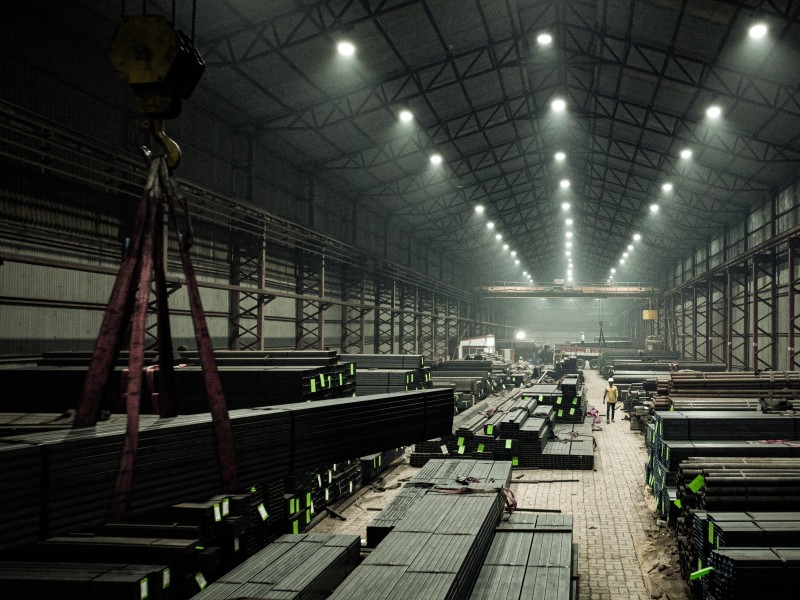
Introduction: The Backbone of Civilization
Industries form the foundation upon which modern civilization is built. From the factories that assemble our smartphones to the energy plants that power cities, industries are the engines of economic growth and technological advancement. They shape national policies, influence employment trends, and determine the course of environmental sustainability. As the world evolves, so too do its industries, shifting in form and focus to meet the demands of globalization, innovation, and conscious development.
The Evolution of Industry: From Steam to Silicon
The journey of industries began with the Industrial Revolution, a pivotal period in human history marked by a shift from manual labor to mechanized production. This transformation introduced mass production, drastically changing agriculture, textiles, and manufacturing. Over time, industries have undergone multiple waves of innovation:
-
First Industrial Revolution (late 18th to early 19th century): Characterized by the use of steam power and mechanized equipment.
-
Second Industrial Revolution (late 19th to early 20th century): Marked by the rise of electricity, the assembly line, and the expansion of railroads.
-
Third Industrial Revolution (mid-20th century): Introduced electronics, information technology, and automation.
-
Fourth Industrial Revolution (present day): Defined by AI, IoT, robotics, and advanced digital technologies.
Each phase not only improved productivity but also transformed lifestyles, workforce structures, and societal expectations.
Major Industry Categories: A Glimpse into the Industrial Tapestry
Industries are typically categorized based on the nature of the products or services they provide. Below are the key classifications:
1. Primary Industry
These industries are directly involved in the extraction and harvesting of natural resources. Examples include:
-
Agriculture
-
Fishing
-
Forestry
-
Mining
Primary industries are foundational, supplying raw materials for other sectors.
2. Secondary Industry
Focused on manufacturing and construction, secondary industries convert raw materials into finished or semi-finished goods.
-
Textile production
-
Automobile manufacturing
-
Construction and infrastructure development
These industries are vital for adding economic value and driving urban development.
3. Tertiary Industry
Also known as the service sector, it involves providing services rather than goods.
-
Healthcare
-
Education
-
Retail and hospitality
-
Financial services
This sector has seen tremendous growth in the digital age, offering both direct and digital services globally.
4. Quaternary Industry
Centered around knowledge-based services, this sector is driven by research, information, and intellectual activities.
-
IT services
-
Consultancy
-
R&D
-
Data analysis
It plays a crucial role in technological innovation and policy shaping.
5. Quinary Industry
This includes top-level decision-making roles and high-level services.
-
Government officials
-
University presidents
-
CEOs
Quinary industries influence both public policy and business strategy at macro levels.
The Role of Industries in Economic Development
Industries are the lifeblood of national economies. They contribute significantly to GDP, generate employment, and foster innovation. As nations industrialize, they often witness rapid improvements in infrastructure, healthcare, and education. Additionally, industrial clusters help in regional development, turning previously rural or underdeveloped areas into thriving economic zones.
Key Benefits of Industrial Growth:
-
Job Creation: Provides direct and indirect employment opportunities.
-
Innovation: Drives technological advancement and fosters entrepreneurial ecosystems.
-
Export Opportunities: Enhances trade and foreign exchange earnings.
-
Urbanization: Stimulates the growth of cities and transportation networks.
Challenges Facing Modern Industries
While industries have propelled society forward, they also bring challenges that demand attention and reform. These include:
-
Environmental Degradation: Industrial waste, emissions, and overuse of resources contribute to climate change and ecological damage.
-
Automation and Job Displacement: The rise of AI and robotics threatens traditional employment models.
-
Global Competition: Companies must navigate supply chain disruptions, trade policies, and geopolitical risks.
-
Sustainability Pressure: Consumers and regulators increasingly demand eco-conscious practices and ethical sourcing.
The Future of Industries: Toward a Sustainable and Digital Era
Industries of the future will be defined not just by output, but by responsibility and resilience. Smart manufacturing, green energy, circular economies, and ethical governance are likely to dominate the agenda. The convergence of technology and sustainability will create hybrid models where profits and purpose coexist.
Emerging Trends:
-
Green Manufacturing: Focused on reducing carbon footprints and adopting renewable energy.
-
Digital Twin Technology: Creating virtual replicas of physical processes for optimization.
-
Blockchain in Supply Chains: Enhancing transparency and traceability.
-
Personalized Manufacturing: Enabled by 3D printing and AI-driven customization.
Conclusion: Industry as an Agent of Change
Industries are far more than economic engines; they are cultural, technological, and societal shapers. In the coming decades, the most successful industries will be those that embrace transformation—balancing efficiency with ethics, progress with preservation, and profit with purpose. As we stand on the cusp of unprecedented change, industries will continue to redefine how we live, work, and envision our collective future.
 Huff Post Business Blog