
Introduction: The Pulse of Human Progress
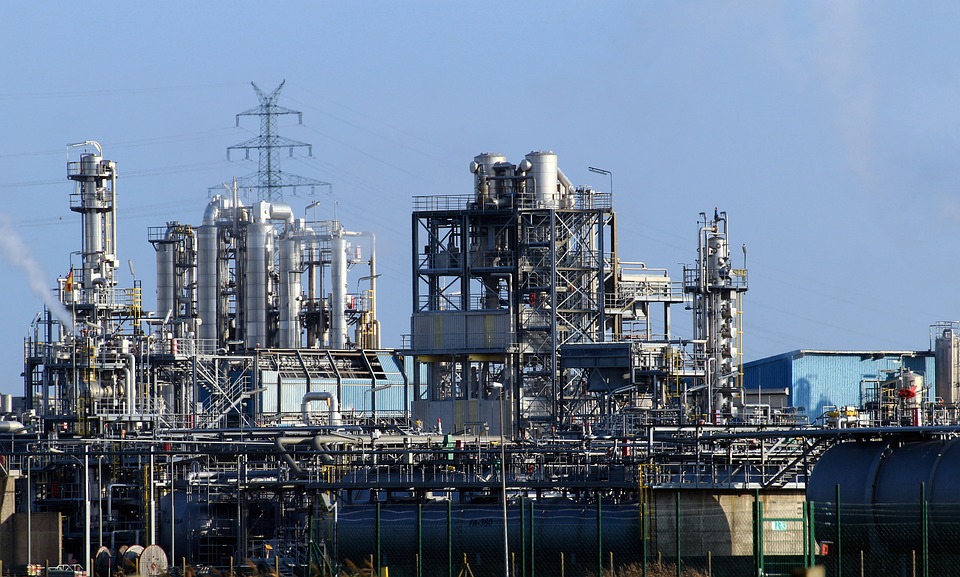
Industries are more than just factories, machines, and corporate entities. They are dynamic systems that sustain economies, drive innovation, and shape the way societies function. From the industrial complexes that power nations to the cutting-edge tech hubs redefining tomorrow, industries are the lifeblood of modern civilization. Understanding their role and evolution is essential in grasping the trajectory of global development.
Understanding the Structure of Industry
The term “industry” encompasses a wide range of economic activities, broadly classified based on the nature of work and output. Each sector contributes uniquely to the global economy and holds a critical place in national development.
1. Primary Industry
Primary industries involve the direct extraction or harvesting of natural resources.
-
Agriculture: Cultivation of crops and livestock for food and raw materials
-
Fishing: Harvesting aquatic life from oceans, rivers, and lakes
-
Mining: Extraction of minerals, fossil fuels, and precious metals
-
Forestry: Managing and utilizing forest resources for timber and paper
These industries form the foundation of human sustenance and supply the raw materials for other sectors.
2. Secondary Industry
This sector revolves around manufacturing and construction, where raw materials are converted into usable products.
-
Manufacturing: Includes automotive, textile, electronics, and food processing
-
Construction: Encompasses infrastructure development like roads, bridges, and buildings
Secondary industries add value to raw materials and are closely tied to urbanization and industrialization.
3. Tertiary Industry
Also known as the service sector, tertiary industries provide services rather than tangible goods.
-
Healthcare and Education
-
Banking and Finance
-
Tourism and Hospitality
-
Retail and Logistics
With the growth of global consumerism and digital economies, the service sector has become one of the largest employers worldwide.
4. Quaternary and Quinary Industries
As economies mature, knowledge and leadership sectors gain prominence.
-
Quaternary Industry: Centers on intellectual activities such as research, technology, and data analysis
-
Quinary Industry: Comprises top-level decision-making and high-order services like policymaking, executive leadership, and advanced scientific research
These sectors underscore the importance of information, strategy, and innovation in the modern world.
The Role of Industries in Economic and Social Development
Industries are key drivers of economic prosperity. They not only contribute directly to GDP but also influence social mobility, urban growth, and international trade.
Key Contributions Include:
-
Employment Generation: Both skilled and unskilled labor find opportunities across industrial sectors
-
Infrastructure Development: Industries spur the construction of transport networks, power plants, and communication systems
-
Innovation and Technology: R&D within industries fuels advancements in medicine, AI, engineering, and sustainability
-
Global Trade: Industrial output strengthens a country’s export base and enhances foreign exchange earnings
Challenges Facing Contemporary Industries
Despite their vast contributions, industries also face a host of challenges that require balanced solutions.
-
Environmental Impact: Industrial pollution and unsustainable resource use contribute to climate change and habitat loss
-
Automation and Job Displacement: The rise of AI and robotics is reshaping traditional employment landscapes
-
Globalization Pressures: Intense competition and supply chain vulnerabilities challenge smaller or less diversified economies
-
Regulatory Compliance: Adapting to ever-evolving legal, safety, and environmental standards can be complex and costly
Future Trends Shaping Industry
The future of industry is being molded by digital transformation, environmental responsibility, and shifting consumer values.
Key Trends to Watch:
-
Sustainable Manufacturing: Emphasis on green technology and eco-friendly production methods
-
Digital Integration: Use of artificial intelligence, IoT, and big data to optimize processes
-
Decentralized Production: With 3D printing and remote work models, manufacturing is becoming more localized
-
Circular Economy: Industries are moving toward models that minimize waste and maximize resource reuse
Conclusion: Embracing the Next Industrial Wave
Industries are not static entities—they are ever-evolving systems that mirror the values, ambitions, and capabilities of humanity. As we navigate complex global challenges, the transformation of industries into more sustainable, equitable, and tech-driven entities is not just desirable, but necessary. The future belongs to industries that can innovate responsibly, balance growth with conservation, and harness technology to serve both people and the planet.
 Huff Post Business Blog