
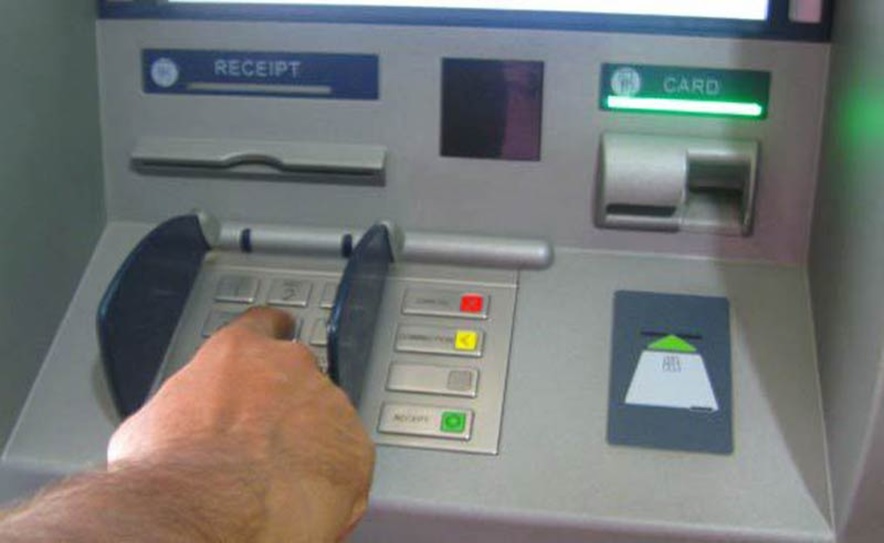
ATMs provide customers with convenient access to cash and can create an additional revenue opportunity for businesses that host them. But an ATM is also a payment device that requires ongoing attention to physical security, software, network protection, and fraud prevention.
For business owners, ATM security audits can help identify signs of tampering, outdated systems, security weaknesses, and operational problems before they become larger issues. Regular inspections are especially important because criminals continue to target ATMs and other payment terminals with skimming devices and other forms of fraud.
The U.S. Secret Service issued an ATM and POS terminal skimming alert in 2025 advising businesses to take a suspected compromised terminal out of service immediately and contact the company servicing the terminal and appropriate law enforcement.
Why ATM Security Audits Matter
An ATM security audit is more than checking whether a machine is working. It involves reviewing the physical condition of the terminal and the security controls that help protect payment information and the surrounding environment.
ATMs can be targeted through physical tampering, skimming, unauthorized access, malicious software, or other attacks. A compromised machine can create financial and reputational consequences for a business while disrupting customer access to cash.
Regular security reviews can help identify potential problems early.
The PCI Security Standards Council’s guidance emphasizes the importance of protecting payment devices, monitoring systems and networks, controlling physical access, and regularly testing security controls.
Key Benefits of Regular ATM Security Audits
Detecting Physical Tampering
One of the most important parts of an ATM security inspection is looking for unauthorized modifications.
Inspectors should check areas such as:
- Card readers
- Keypads
- Fascia and surrounding panels
- Cash dispenser areas
- Locks and access points
- Signs of forced entry
- Unfamiliar hardware or attachments
- Suspicious cameras or other devices
Skimming remains an important concern. PCI SSC’s ATM security guidance specifically addresses anti-skimming mechanisms and recommends inspection procedures when appropriate.
Employees who work around an ATM should also know what normal equipment looks like so that unusual changes can be identified quickly.
Supporting Payment Security
Modern ATMs rely on secure hardware, encryption, software, and payment-processing infrastructure.
PCI SSC’s PIN Transaction Security standards address security requirements for payment devices used to protect PINs and other sensitive payment information. The council also maintains listings of approved payment-security devices and solutions.
An ATM security review can therefore include checking whether the equipment, software, and supporting systems are being maintained according to the applicable security requirements and provider recommendations.
Identifying Software and Configuration Issues
An ATM should not simply be installed and forgotten.
Security reviews can help identify outdated software, configuration problems, unauthorized changes, or other issues that could affect the machine’s security or reliability.
Businesses should work with their ATM processor, service provider, or technology vendor to determine which software updates and security controls apply to their specific equipment.
Protecting the ATM Network
An ATM’s security does not stop at the physical machine.
The network connecting the ATM to its processing environment also needs appropriate protection. Security reviews may consider connectivity, access controls, authentication, monitoring, and unusual activity.
Restricting unauthorized access and maintaining appropriate security controls can reduce opportunities for attackers to compromise the ATM or its supporting environment.
Maintaining Customer Confidence
Customers expect payment equipment to be secure.
A well-maintained ATM with visible security measures can provide a better customer experience while helping a business demonstrate that it takes payment security seriously.
Conversely, a damaged, suspicious-looking, or unreliable ATM can discourage customers from using it and may create unnecessary concern about the safety of their financial information.
What Does an ATM Security Audit Include?
The exact scope of an audit depends on the ATM model, processor, location, and security requirements. However, a practical review may include several areas.
Physical ATM Inspection
The machine should be examined for:
- Signs of tampering
- Damaged or altered components
- Unauthorized card-reader attachments
- Suspicious cameras
- Changes around the keypad
- Damage to locks or access panels
- Unusual wiring or hardware
- Evidence of attempted forced entry
PCI guidance also emphasizes periodically inspecting payment devices for tampering or unauthorized substitution and training personnel to recognize potential problems.
Anti-Skimming Protection
Modern ATM security should include appropriate measures to detect or prevent skimming.
The PCI ATM security guidance discusses anti-skimming mechanisms designed to prevent or detect unauthorized devices and notes that detection of a skimming attack or tampering attempt should trigger an appropriate response, such as an alert or machine shutdown.
Software and Security Review
Depending on the ATM and service arrangement, a security review may examine software versions, configurations, security controls, and update status.
The goal is to identify systems that may require maintenance or further review rather than assuming that every ATM uses the same software or security configuration.
Surveillance and Physical Environment
The area around the ATM matters too.
Businesses should review whether lighting, cameras, visibility, and physical placement provide an appropriate environment for customers using the machine.
Surveillance should be positioned to support security without unnecessarily capturing sensitive information such as customers entering PINs.
Network and Access Controls
A review may also consider how the ATM connects to its processing environment and who has authorized access to the equipment or related systems.
Access should be limited to appropriate personnel and service providers, with authentication and monitoring controls maintained according to the applicable requirements.
How Often Should an ATM Be Inspected?
There is no single inspection schedule that is appropriate for every ATM.
The frequency should reflect factors such as the machine’s location, transaction volume, physical environment, security controls, history of tampering, and recommendations from the ATM service provider.
High-risk or high-traffic locations may warrant more frequent physical inspections. Employees can also be trained to perform basic visual checks as part of their normal responsibilities and report anything unusual immediately.
The important point is consistency. Security should be treated as an ongoing process rather than a one-time installation requirement.
What Should You Do If You Suspect ATM Tampering?
If employees or customers notice a suspicious device, damaged component, unusual attachment, or other possible sign of tampering, the ATM should not simply be left in service.
The U.S. Secret Service recommends that businesses using a potentially compromised ATM or POS terminal take the device out of service immediately, contact the organization responsible for servicing the terminal, and notify appropriate law enforcement.
Employees should avoid attempting to remove a suspected skimming device themselves. Preserving the scene can help the appropriate professionals and law enforcement investigate the incident.
Choosing Secure ATM Equipment
Security begins before an ATM is installed.
Businesses and ATM operators should work with reputable providers and consider equipment designed with appropriate payment-security protections. PCI SSC maintains resources for approved PIN transaction security devices and related payment-security solutions.
The ATM’s age, hardware, software, processor compatibility, security features, and ability to receive appropriate maintenance should all be considered when evaluating equipment.
Security Is an Ongoing Responsibility
ATM security is not a one-time task. Threats change, equipment ages, software requires maintenance, and criminals continue to look for weaknesses in payment environments.
Regular ATM security audits give business owners an opportunity to identify potential problems, review physical and technical controls, and work with their ATM provider to address issues promptly.
A strong ATM security program can include:
- Routine physical inspections
- Employee awareness and training
- Anti-skimming protections
- Appropriate software and security maintenance
- Network and access controls
- Surveillance and environmental reviews
- Prompt response to suspected tampering
- Ongoing communication with the ATM service provider
Taking these steps can help businesses protect their ATM investment while providing customers with a safer and more reliable way to access cash.
Protect Your ATM With Professional Support
An ATM should be treated as an important payment device—not simply another piece of equipment in your business.
Atlantic Processing provides ATM services designed to help businesses manage their machines and keep them operating reliably. Working with an experienced ATM provider can make it easier to address maintenance, security concerns, processing needs, and other operational requirements.
If you’re concerned about the security or condition of your ATM, don’t wait until a problem affects your customers.
Contact Atlantic Processing today to discuss your ATM security and service needs.
This post was written by a professional at Atlantic Processing. Atlantic Processing, headquartered in the Tampa Bay area, is a leading national ATM processing and ATM repair Tampa FL. We specialize in comprehensive ATM placements, processing, sales, and service, catering to retail and financial institutions across the United States. Our commitment to excellence and customer satisfaction ensures that our clients receive top-tier service and support. Whether you need a new ATM installation, efficient processing solutions, or reliable maintenance, Atlantic Processing is your trusted partner in keeping your ATM operations running smoothly and efficiently.

